Vaal Filth: A Complete Guide for Path of Exile 2

Vaal Filth: A Complete Guide for Path of Exile 2

The world of Path of Exile is brimming with complex systems, powerful items, and unique mechanics that keep both new players and veterans alike constantly engaged. Among these many systems, one of the more unique elements that has continued into Path of Exile 2 (PoE 2) is the concept of Vaal Skills and their corrupting influence. One of the more interesting Vaal Skills to watch out for in PoE 2 is Vaal Filth. This potent, transformative ability is part of the larger Vaal mechanic and offers a fresh, often chaotic twist to gameplay. But what is Vaal Filth, how does it work, and how can players harness its potential in Path of Exile 2?

This guide will take you through everything you need to know about Vaal Filth: how it functions, how to effectively use it in your builds, and how it interacts with the rest of PoE 2’s mechanics.

What Is Vaal Filth?

Vaal Filth is one of the many Vaal Skills that are tied to the Vaal system, a special mechanic introduced in Path of Exile. These skills are different from normal skills in that they are corrupted versions of existing abilities, offering players enhanced effects that come at a significant cost, usually tied to Souls, the game’s equivalent of a resource in Poe 2 trade.

In PoE 2, Vaal Filth is a unique skill with an emphasis on applying overwhelming amounts of damage over time (DoT) through poison, chaos damage, and creating a hazardous environment for both players and enemies. When you use Vaal Filth, it generates a zone of corruption that poisons any enemies that stand within its radius, inflicting them with deadly chaos damage over time. The skill can also have additional effects, such as making the environment visually chaotic or altering enemy behaviors, such as reducing their resistances to certain damage types.

How Vaal Filth Works

Vaal Filth, like other Vaal Skills, functions by spending Vaal Souls, which are generated by using the associated skill or item to kill enemies. Once you’ve accumulated enough Souls, you can unleash the Vaal Filth, triggering its devastating effects. The specifics of the skill’s behavior can vary, depending on your build, your equipment, and how you’ve chosen to modify the skill with support gems and passive tree selections.

At its core, Vaal Filth creates a cloud of poison or chaos that slowly damages enemies over time. The damage over time from Vaal Filth typically scales with factors such as:

Poison and Chaos Damage: Vaal Filth’s primary damage is usually based on poison and chaos damage scaling. This means that the more you invest in chaos or poison-related stats, the more deadly the Vaal Filth cloud becomes. Players running poison-based builds with skills like Essence Drain, Contagion, or Toxic Rain will benefit immensely from Vaal Filth.

Area of Effect (AoE): The cloud of Vaal Filth covers a large area, allowing you to poison multiple enemies at once. Increasing your AoE through passive skill nodes and items can help spread the chaos damage to more targets, making it an excellent tool for clearing groups of enemies efficiently.

Effect Duration: The poison cloud remains for a short time after activation, so increasing the duration of the Vaal Filth’s effects through modifiers and passive nodes can result in greater sustained damage. This is important for long-lasting fights, such as against bosses or large packs of enemies.

Vaal Souls: Like all Vaal Skills, you need to fill your Vaal Soul pool to use Vaal Filth. The Souls are earned through kills and can be accumulated relatively quickly during regular gameplay. However, Vaal Filth consumes all of the available Souls when activated, so players must wait to build up their pool again to use the skill multiple times in a fight.

Additional Modifiers: Vaal Filth can be enhanced by a variety of modifiers, including those that increase chaos damage, poison damage, or even general damage over time. Furthermore, it can interact with other Vaal Skills in ways that amplify its effects, such as using Vaal Haste to increase your attack speed and clear enemies faster, or combining it with defensive buffs to enhance your survivability while the Filth deals damage.

Synergies with Other Skills

Vaal Filth shines when combined with certain build strategies, particularly those that focus on chaos and poison damage over time. Here are some examples of effective synergies with Vaal Filth:

1. Poison/Chaos Damage Builds

If you’re running a poison or chaos damage build, Vaal Filth is a perfect complement to your playstyle. By investing in chaos and poison damage nodes on your passive tree, as well as using items that scale these types of damage, you can significantly increase the potency of Vaal Filth. Notable items to use in this regard include:

Bino’s Kitchen Knife: This unique weapon increases poison damage and applies poison more effectively, making it an excellent choice for builds that focus on poison-based damage.

The Green Nightmare/Green Terror: These jewels enhance chaos damage and poison damage when socketed into specific positions on your tree.

Void Battery: A great option for scaling chaos damage while providing extra resources to use Vaal Skills more frequently.

2. Trigger and AoE Builds

Vaal Filth can also be used in trigger-based builds or large AoE setups, where you utilize triggers to automatically cast certain abilities. Combining Vaal Filth with skills like Cast on Critical Strike or Cast on Damage Taken can ensure that the Filth skill is used frequently without requiring manual activation. This is particularly helpful for clearing large mobs of enemies in fast-paced scenarios.

Additionally, focusing on increasing your AoE radius through passive nodes, gear, and support gems (such as Increased Area of Effect or Concentrated Effect) can expand the reach of your Vaal Filth cloud, making it an even deadlier tool for clearing groups of monsters or controlling space during boss fights.

3. Minion Builds

Minion builds that focus on chaos or poison damage can make use of Vaal Filth to boost their damage over time and take advantage of the additional effects provided by minions. Summon chaos-oriented minions, such as Carrion Golems or Spectres, can be great allies when using Vaal Filth, allowing your minions to help manage the battlefield while the poison cloud wreaks havoc on your enemies.

Minion-focused supports, like Minion Damage, Multistrike, or Ruthless, can also boost the overall damage potential of your build while you focus on triggering Vaal Filth.

Vaal Filth and PoE 2’s New Systems

As Path of Exile 2 introduces more refined systems and mechanics, Vaal Filth is expected to benefit from several key changes. One of the most significant changes in PoE 2 is the skill gem overhaul, which will likely include new ways to scale the damage of Vaal Filth or its interactions with other skills. For instance, the introduction of new support gems or skills that affect poison or chaos damage could have a significant impact on how players choose to build around Vaal Filth.

Additionally, PoE 2 will introduce the new campaign and its unique mechanics, which may provide more opportunities to synergize with Vaal Filth. There could be new bosses, environments, and encounters that make Vaal Filth an even more critical part of your strategy.

Best Passive Tree Choices

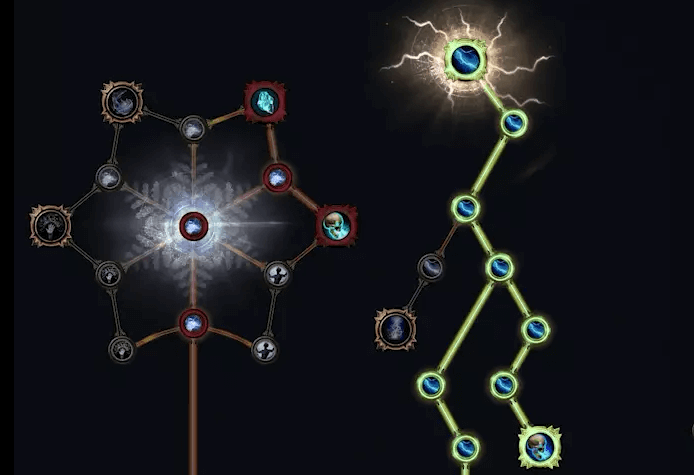
If you plan to integrate Vaal Filth into your build, here are some key passive tree clusters and keystone nodes to consider:

Chaos Damage and Poison Nodes: These nodes boost the damage of Vaal Filth, as it deals both chaos and poison damage. Look for clusters such as Corruption, Essence of Delirium, or Void Barrier.

Damage Over Time (DoT) Nodes: Since Vaal Filth is a DoT skill, picking up DoT-related nodes, such as Unflinching and Unyielding, will increase its effectiveness significantly.

Area of Effect: To maximize the damage and reach of the Vaal Filth cloud, invest in AoE nodes like Wicked Ward or Blast Radius in buy POE 2 Currency.

Conclusion

Vaal Filth in Path of Exile 2 offers players an incredibly potent tool for chaos and poison-based damage over time builds. By understanding its mechanics, synergies with other skills, and strategic use in combat, you can unlock its full potential and obliterate enemies in your path. Whether you’re running a chaos-oriented poison build, a minion-based strategy, or an AoE-focused setup, Vaal Filth is a versatile skill that has the power to transform your playstyle.

As PoE 2 introduces new systems, updates, and content, the effectiveness and impact of Vaal Filth are only expected to grow. If you’re looking for a skill that offers both explosive damage and an atmospheric gameplay experience, Vaal Filth should be at the forefront of your build considerations.

How Does Level Scaling Work in Path of Exile 2?

How Does Level Scaling Work in Path of Exile 2?

Path of Exile 2, the much-anticipated sequel to the acclaimed action RPG, continues the legacy of its predecessor with a host of new features and mechanics. One of the key gameplay elements is the level scaling system, which significantly affects how players interact with the game world, especially in a party setting.

Level scaling in Path of Exile 2 is designed to create a balanced and enjoyable experience for players of varying character levels. When playing in a party, only the party leader can decide whether level scaling is enabled or disabled. This decision is crucial, as it alters how characters experience and progress through the game.

When level scaling is turned on, higher-level characters in the party will be scaled down to match the level of the lowest character. This means that if a level 80 character joins a party with a level 40 character, the level 80 character will be adjusted to a level closer to 40. This mechanic aims to maintain a challenging yet fair gameplay experience, ensuring that no single player dominates the encounter solely due to their higher level.

Importantly, there is no experience penalty for the higher-level characters. However, they will only receive experience points (XP) equivalent to what weaker enemies would typically drop. This means that while they can still participate in fights without overpowering the lower-level characters, their advancement is somewhat curtailed. Thus, high-level players can enjoy the game alongside their friends while still being incentivized to level up in other areas, such as solo play or more challenging content.Change the way you play with POE 2 Currency trading with MMOexp.

Conversely, if the party leader opts to disable level scaling, the levels and powers of all characters remain unchanged. In this scenario, lower-level characters face a unique set of challenges. They will encounter higher-level enemies without any scaling adjustments, leading to a more difficult experience. Importantly, lower-level characters will receive an experience penalty, meaning they will earn less XP when fighting enemies that are significantly higher than their own level. This can hinder their ability to level up efficiently.

However, even with the reduced XP gain, characters still receive a normal amount of experience. The key difference is the efficiency of leveling. Lower-level characters will find it harder to keep pace with their higher-level companions, especially if they are consistently facing off against enemies that are beyond their capabilities.

In Path of Exile 2, each area has a specific level or level range for the enemies that spawn within it. This design encourages players to assess their party collective strength before tackling a particular zone. When level scaling is disabled, the area level serves as a clear indicator of what level players should ideally be at before attempting to clear it.

For instance, if a party is venturing into an area with a level requirement of 50, it is advisable that the party members are around that level. If they are significantly below, particularly if level scaling is off, they may struggle to contend with the enemies, potentially leading to frustration and repeated failures.

The choice to enable or disable level scaling introduces a strategic layer to gameplay. Players must consider their party composition and individual character strengths when making this decision. For parties with a mix of levels, enabling scaling can foster a more inclusive experience, allowing everyone to contribute effectively to battles. On the other hand, if a party consists of predominantly higher-level characters, disabling scaling can lead to faster clearing of content, albeit at the risk of sidelining lower-level characters.

Moreover, successful navigation of Path of Exile 2 intricate systems often requires a balance between teamwork and individual play. Players may find that some of the game more challenging content is best approached with level scaling enabled, allowing all members to grow together. Conversely, for farming specific areas or grinding levels, disabling scaling might yield faster results for those who are already at or near the required level.Unleash your potential in Path of Exile 2. Get your cheap POE 2 Divine Orbs instantly at MMOexp today!

Level scaling in Path of Exile 2 is a multifaceted mechanic that significantly influences gameplay dynamics in party settings. By allowing players to choose whether to enable or disable scaling, the game offers flexibility that caters to a diverse player base. Whether players opt for the challenge of scaling or the power of unaltered levels, understanding how this system works is essential for maximizing enjoyment and efficiency in the game.

Mastering the New Skill Gems in Path of Exile 2

Path of Exile 2, the highly anticipated sequel to the popular action RPG, brings a wealth of new content and features to the game, including an extensive overhaul of the skill gem system. Skill gems are crucial to gameplay, allowing players to customize their characters’ abilities and create unique builds tailored to their playstyle. This guide aims to provide a comprehensive overview of the new skill gems introduced in Path of Exile 2, offering insights into their mechanics, how to obtain and level them, and tips for integrating them into effective character builds. Whether you’re a seasoned veteran or a newcomer to the game, this guide will help you master the new skill gems and enhance your Path of Exile 2 experience.

Understanding Skill Gems in Path of Exile 2

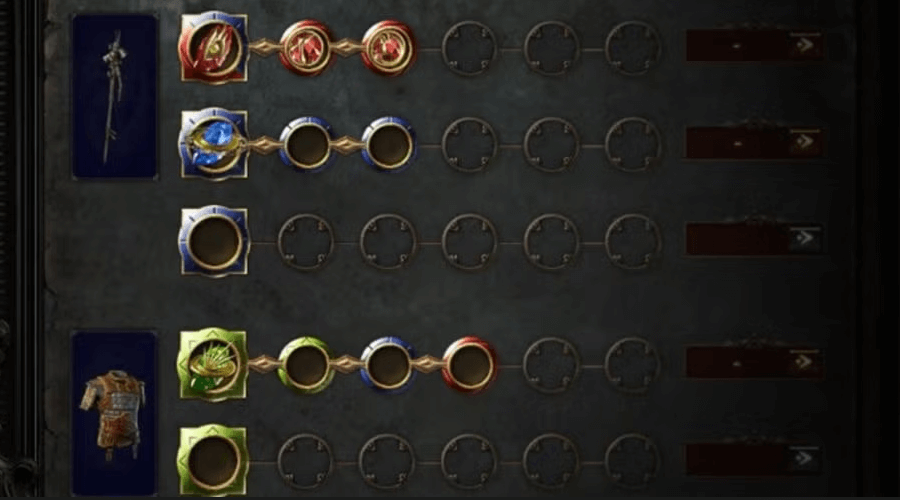
Skill gems are the cornerstone of character customization in Path of Exile 2. These gems, when socketed into your gear, grant powerful abilities and enhancements, allowing you to tailor your character’s playstyle to your preferences. Let’s delve into the different types of PoE 2 skill gems you’ll encounter:

Active Gems

These gems provide the primary abilities your character will use in combat. From devastating fireballs to swift sword strikes, active gems define your offensive and defensive capabilities. Each active gem has its own unique effects and can be further enhanced by support gems. o help you get started with active skill gems in Path of Exile 2, here are some popular examples across different categories:

1.Melee Attacks:

• Boneshatter: This skill delivers a powerful strike that causes bones to shatter, dealing additional damage over time.

• Earthquake: A ground slam that creates a fissure, dealing massive area-of-effect damage after a short delay.

2.Ranged Attacks:

• Lightning Arrow: Fires an arrow that converts physical damage to lightning damage, chaining to nearby enemies.

• Escape Shot: A quick shot that deals damage and allows you to reposition by dashing away.

3.Spells:

• Contagion: Spreads a damaging chaos effect to nearby enemies, causing them to take damage over time.

• Ball Lightning: Launches a slow-moving projectile that continuously zaps enemies with lightning damage.

4.Minion Skills:

• Raise Zombie: Summons zombies that attack enemies and absorb damage.

• Bind Spectre: Summons spectral versions of defeated enemies to fight for you.

Support Gems

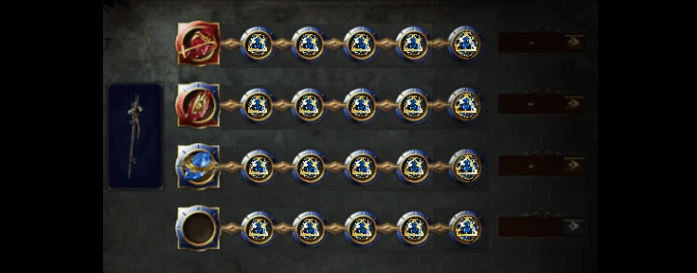
These gems don’t grant abilities on their own but modify the effects of active gems. For example, a support gem might increase the damage of an active gem, add elemental effects, or reduce the mana cost. By combining active and support gems, you can create powerful synergies that enhance your combat effectiveness. Here are some popular examples:

1. Added Fire Damage Support:

• Effect: Adds extra fire damage to the supported skill’s attacks or spells.

• Example: When linked to a melee attack like Boneshatter, it adds fire damage to each hit, increasing overall damage output.

2. Increased Area of Effect Support:

• Effect: Expands the area of effect for the supported skill.

• Example: When linked to Earthquake, it increases the radius of the ground slam, allowing it to hit more enemies.

3.Faster Attacks Support:

• Effect: Increases the attack speed of the supported skill.

• Example: When linked to Lightning Arrow, it allows you to shoot arrows more quickly, enhancing your damage per second.

4.Spell Echo Support:

• Effect: Causes the supported spell to repeat an additional time.

• Example: When linked to Ball Lightning, it casts the spell twice in quick succession, doubling the number of projectiles.

5. Minion Damage Support:

• Effect: Increases the damage dealt by minions summoned by the supported skill.

• Example: When linked to Raise Zombie, it boosts the damage output of your summoned zombies, making them more effective in combat.

Buff Gems

Buff gems provide ongoing benefits to your character, such as increased attack speed, enhanced defenses, or regenerative effects. These gems are crucial for maintaining your character’s performance in prolonged battles and can be a game-changer in tough encounters. Here are some popular examples:

1. Anger:

• Effect: Grants additional fire damage to you and your allies.

• Use: Ideal for builds focusing on fire damage, enhancing both your attacks and spells with extra fire power.

2. Determination:

• Effect: Increases your armor, providing better physical damage mitigation.

• Use: Perfect for tanky builds that need to absorb more damage and survive longer in battles.

3. Haste:

• Effect: Increases movement speed, attack speed, and cast speed.

• Use: Great for builds that rely on speed and agility, allowing you to move and attack faster.

4. Vitality:

• Effect: Grants life regeneration to you and your allies.

• Use: Useful for sustaining health during prolonged fights, especially for builds that lack other forms of healing.

5. Wrath:

• Effect: Adds lightning damage to your attacks and spells.

• Use: Beneficial for lightning-based builds, boosting your overall damage output with additional lightning damage.

Meta Gems

Meta gems offer unique and complex effects that can significantly alter your gameplay. These gems often provide conditional bonuses or powerful passive effects that require strategic planning to maximize their potential. Mastering the use of meta gems can give you a significant edge in both PvE and PvP scenarios.

Here are some examples and their strategic uses:

1. Cast on Critical Strike:

• Effect: Triggers a linked spell when you land a critical hit with an attack.

• Strategic Use: Ideal for builds that focus on high critical strike chance. For example, linking this gem with a powerful spell like Ball Lightning can create devastating combos, dealing massive damage whenever you score a critical hit.

2. Cast when Damage Taken:

• Effect: Automatically casts a linked spell when you take a certain amount of damage.

• Strategic Use: Useful for defensive builds. Linking this gem with a protective spell like Molten Shell can provide an automatic shield when you take significant damage, enhancing your survivability.

3. Spell Totem Support:

• Effect: Summons a totem that casts the linked spell.

• Strategic Use: Great for builds that benefit from casting spells at a distance. For instance, linking this gem with Contagion allows the totem to spread chaos damage to enemies, keeping you safe while dealing consistent damage.

4. Multiple Traps:

• Effect: Throws multiple traps at once.

• Strategic Use: Perfect for trap-based builds. Linking this gem with a trap skill like Lightning Trap can increase your area control and damage output, making it easier to handle large groups of enemies.

5. Minion Instability:

• Effect: Causes your minions to explode when they reach low health, dealing fire damage to nearby enemies.

• Strategic Use: Effective for minion-based builds. Combining this gem with Raise Zombie can turn your minions into walking bombs, dealing significant damage to enemies when they die.

Also Read: Path of Exile 2 Beginner Guide

Obtaining and Leveling Skill Gems in Path of Exile 2

Skill gems are essential for customizing your character’s abilities in Path of Exile 2. Here’s how you can acquire and level them up:

How to Acquire PoE 2 Skill Gems

1. Uncut Gems: These are raw gems that can be found throughout the game world. Once you obtain an uncut gem, you can take it to a vendor or use a crafting bench to cut it into a usable skill gem.

2. Drops: Skill gems can also drop from enemies, chests, and other loot sources. Keep an eye out for these valuable items as you explore and defeat foes.

3. Crafting: You can craft skill gems using various in-game materials. This method allows you to create specific gems that suit your build, giving you more control over your character’s development.

Leveling Up PoE 2 Skill Gems

As you use skill gems, they gain experience and level up, becoming more powerful. Here are the key points to keep in mind:

• Experience Gain: Skill gems gain experience whenever you earn experience points from defeating enemies. The amount of experience required to level up increases with each level.

• Stat Requirements: Higher-level skill gems often have increased attribute requirements (e.g., Strength, Dexterity, Intelligence). Make sure your character meets these requirements to continue using the gem.

• Gem Quality: You can improve the quality of a skill gem using certain PoE 2 currency items, which enhances its effectiveness. For example, a higher-quality gem might deal more damage or have a longer duration.

Building Your Character with Skill Gems in Path of Exile 2

Creating a powerful character in Path of Exile 2 involves more than just picking the right skill gems; it’s about making sure they work well together to maximize your effectiveness in combat. Here are some tips for creating synergistic builds and combining different types of gems for optimal performance:

Tips for Creating Synergistic Builds

1. Understand Your Playstyle: Decide whether you prefer melee combat, ranged attacks, spellcasting, or summoning minions. This will guide your choice of active skill gems.

2. Match Support Gems to Active Skills: Choose support gems that enhance the strengths of your active skills. For example, if you use a skill that deals fire damage, support it with gems that add fire damage or increase its area of effect.

3. Balance Offense and Defense: Ensure your build has a good mix of offensive and defensive capabilities. Use support gems that boost your damage output and buff gems that enhance your survivability.

4. Consider Attribute Requirements: Make sure your character meets the attribute requirements for the skill gems you want to use. Plan your gear and passive skill tree accordingly.

5. Experiment and Adapt: Don’t be afraid to try different combinations of skill and support gems. Path of Exile 2 offers a lot of flexibility, so experiment to find what works best for your build.

Combining Different Types of Gems for Optimal Performance

1. Active and Support Gem Synergy: Combine active skill gems with support gems that enhance their effects. For example, linking Lightning Arrow with Added Lightning Damage Support and Increased Area of Effect Support can significantly boost its damage and coverage.

2. Buff Gems for Sustained Power: Use buff gems like Anger or Haste to provide continuous boosts to your damage and speed. These buffs can be crucial in maintaining high performance during extended fights.

3. Meta Gems for Strategic Advantage: Incorporate meta gems like Cast on Critical Strike or Spell Totem Support to add strategic depth to your build. These gems can trigger powerful effects under specific conditions, giving you an edge in combat.

4. Minion and Support Combinations: If you prefer a minion-based build, use support gems like Minion Damage Support to increase your minions’ effectiveness. Combine this with buff gems like Vitality to keep your minions healthy and fighting longer.

Conclusion

Mastering the new skill gems in Path of Exile 2 is key to creating a powerful and versatile character. By understanding the different types of skill gems—active, support, buff, and meta—you can tailor your abilities to suit your playstyle and optimize your performance in combat. Experimenting with various combinations and synergistic builds will help you discover the most effective strategies for your character. Whether you’re a seasoned player or new to the game, this guide provides the foundation you need to harness the full potential of skill gems and enhance your Path of Exile 2 experience. Happy adventuring!